
Natural clay plaster
for interior walls
Bring warmth, depth, and hand-finished texture to your interior. Explore clay plaster from Gold Hill, Oregon, with guidance to help you choose the right material for your walls.
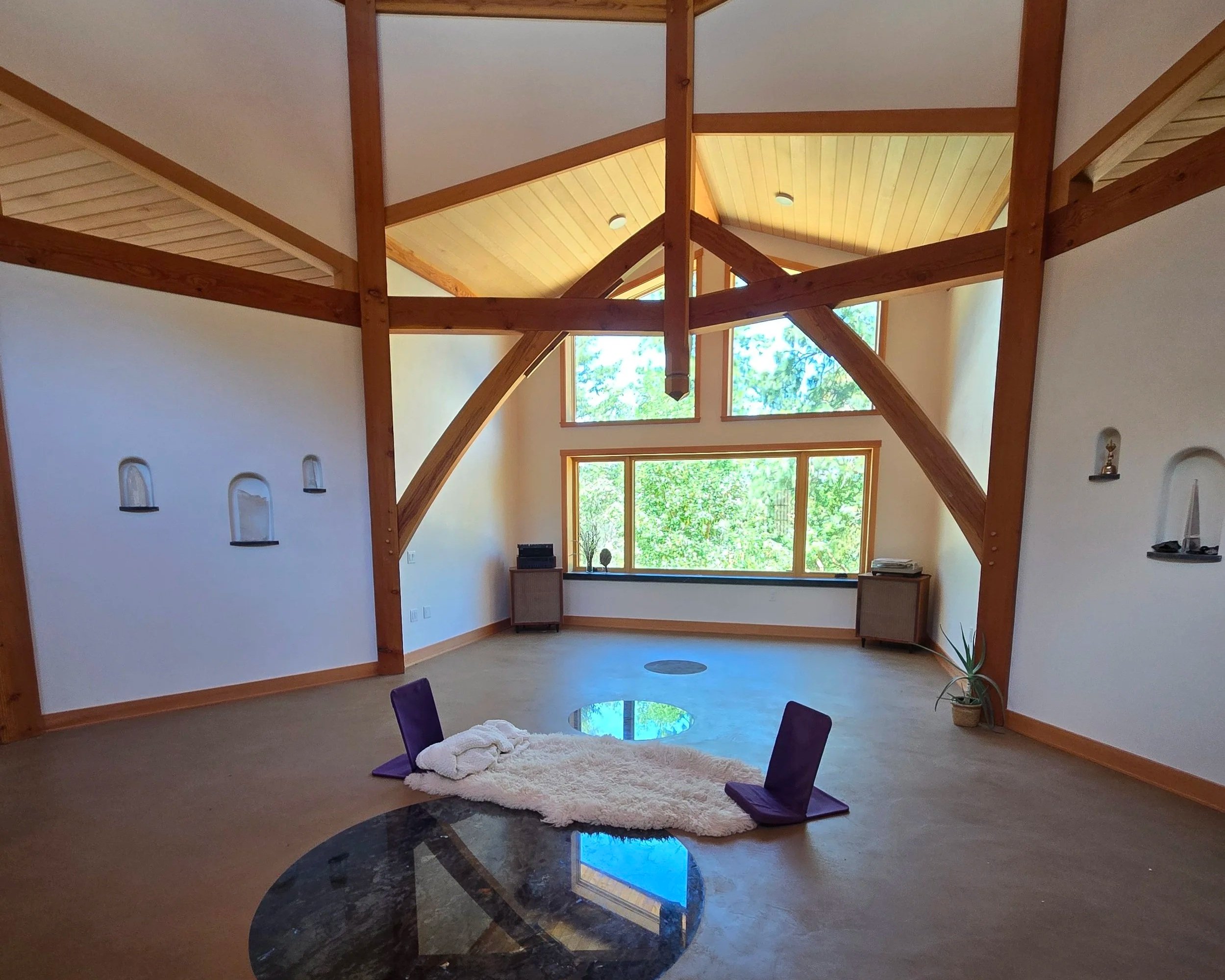
What is natural clay plaster?
Clay plaster is a natural, hand-applied wall finish that brings earthy color, depth, and texture to interior spaces. Gold Hill Clay Plaster offers foundational base coats and decorative finishes for a range of wall surfaces.
Clay can absorb and release moisture, and the finish can be rehydrated for repairs. Choose the right plaster for your substrate, then explore the colors and textures that make a room your own.

Build up. Finish beautifully.
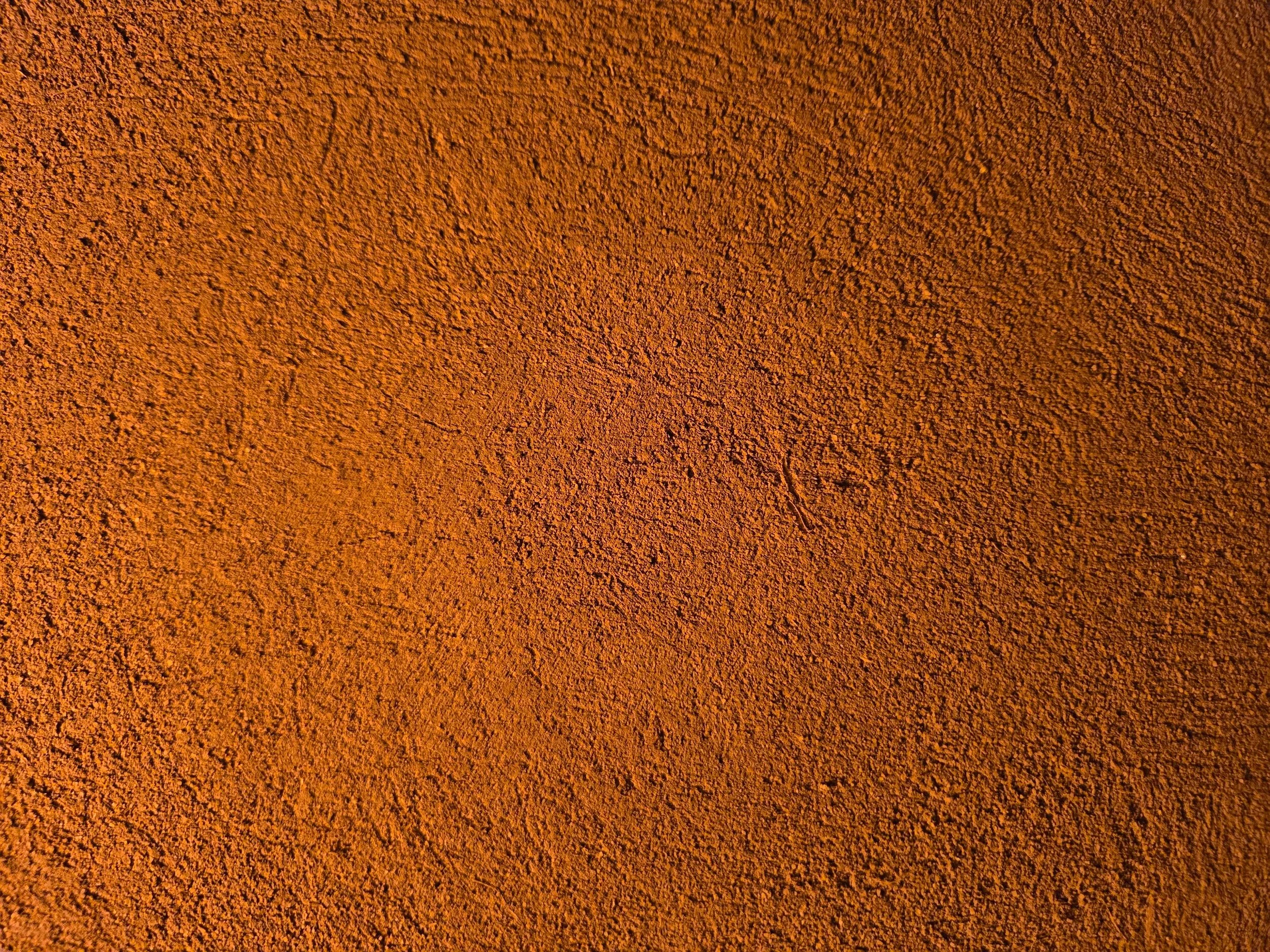
Thick foundational layers for thermal mass and substrates with suction.
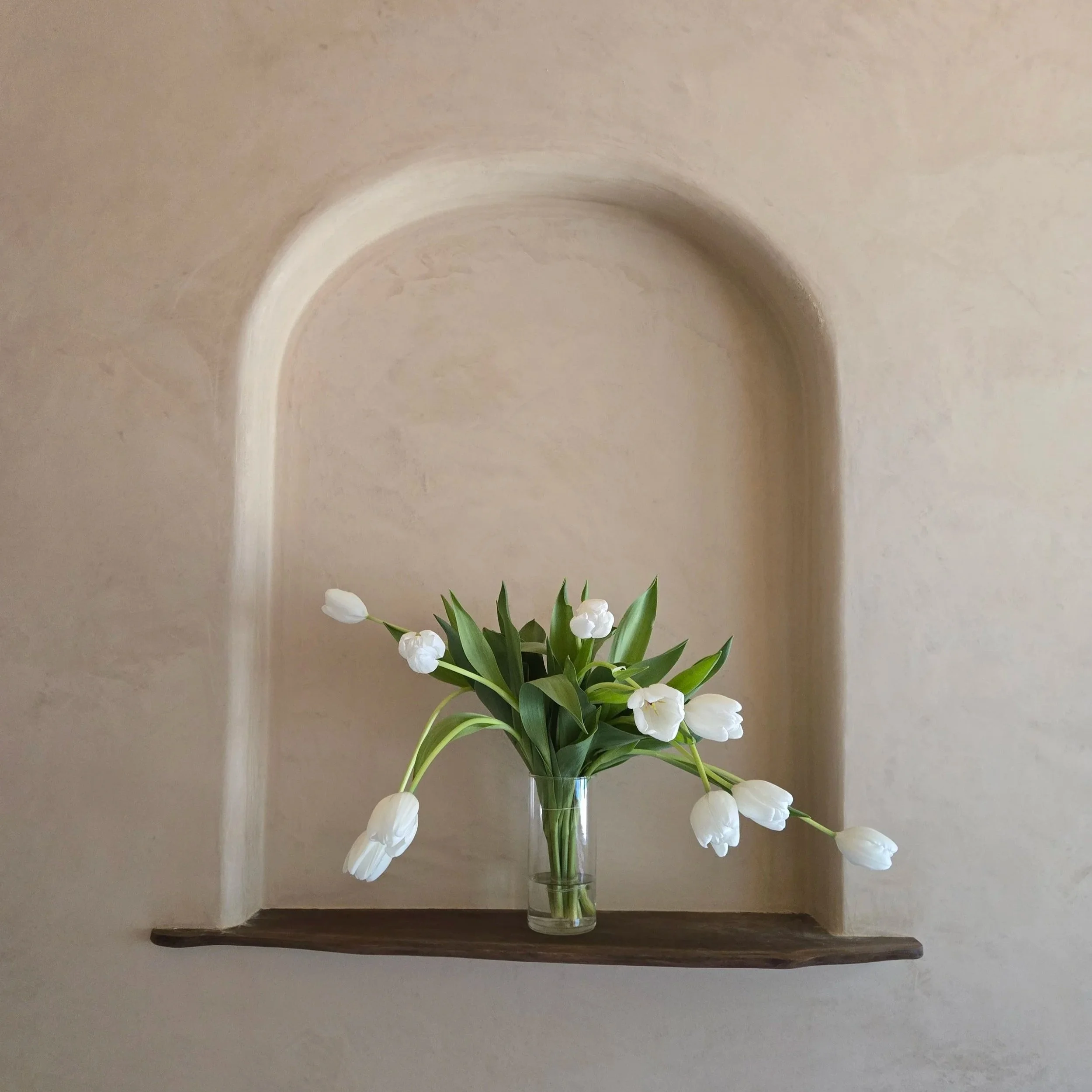
Refined decorative clays for natural substrates and modern drywall.
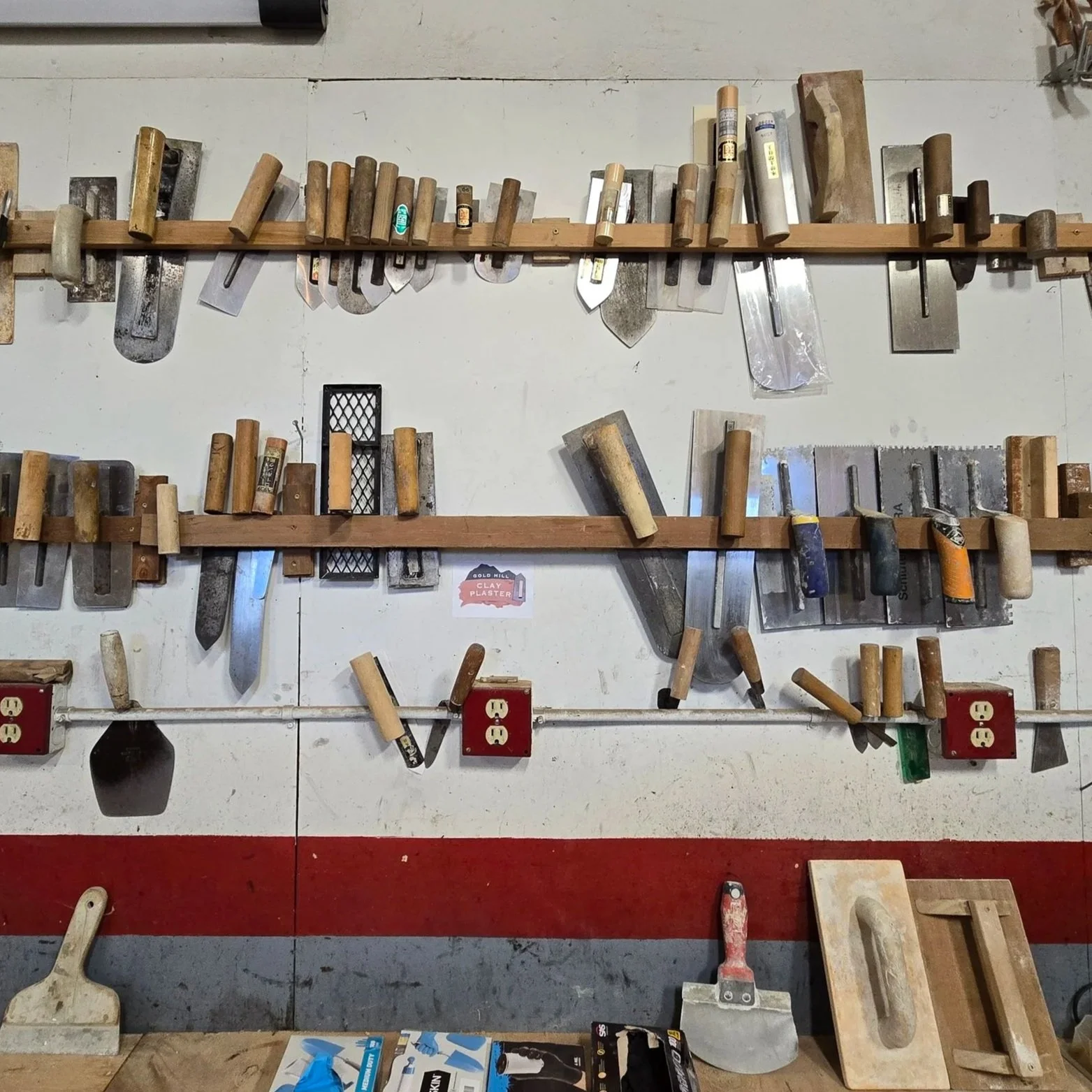
Professional hawks, trowels, and mixers for the perfect install.
FIND YOUR FINISHWhich clay plaster is right for your walls?
Start with your wall surface, then choose the finish you want. Each formulation has its own preparation and application requirements.
Painted or primed drywall: Explore Zenith for a refined finish on suitable smooth walls.
Porous masonry or clay base coats: Explore Euro for absorbent surfaces with suction.
Heavy painted wall texture: Explore Fibra, a hemp-infused finish designed to mask existing texture.
Read the product data before ordering, or ask us about your wall for help choosing the right system.
LEARN THE CRAFT
Get your hands in the clay.
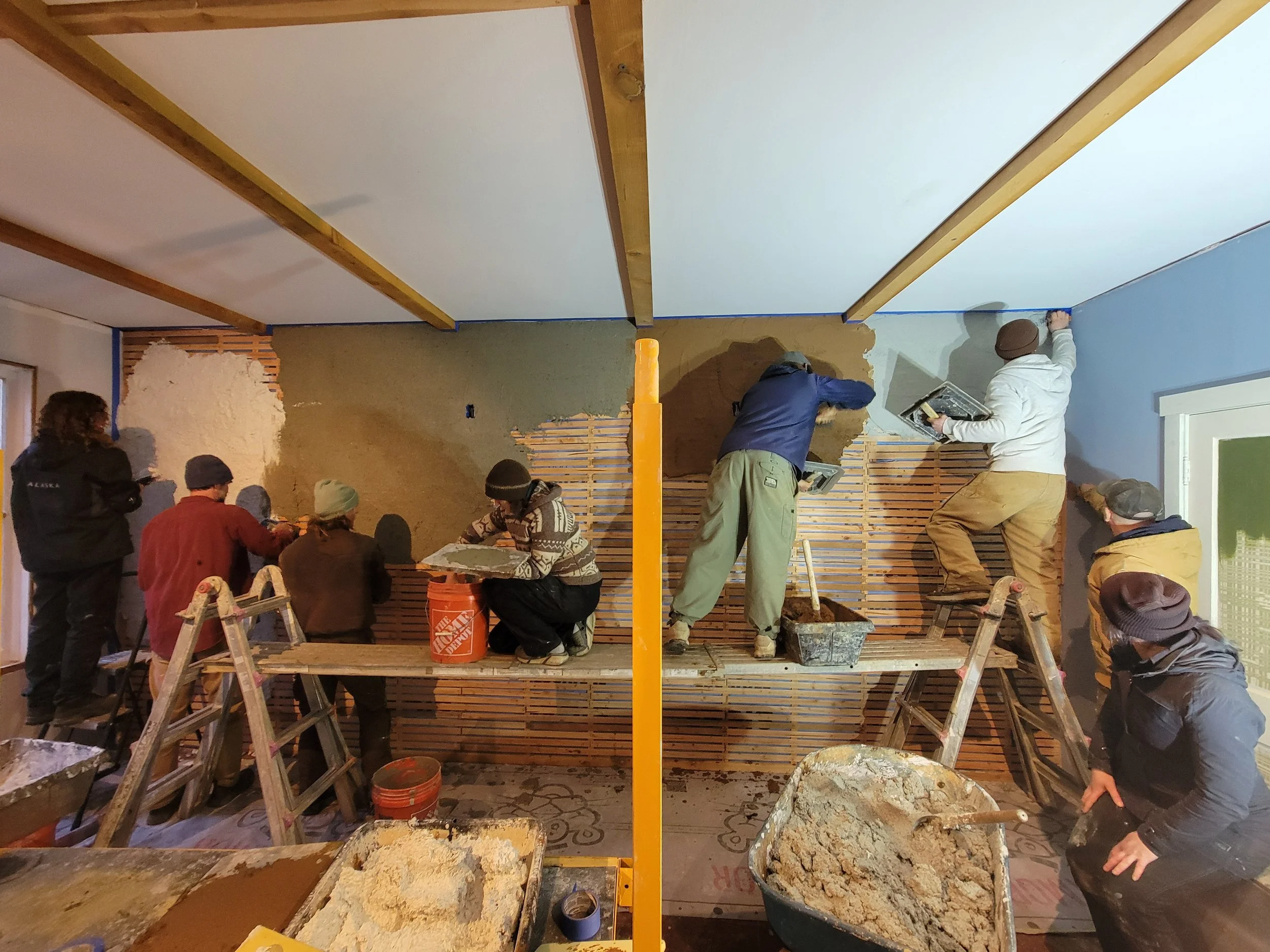
A good finish starts before the first coat. Review the application guide for your plaster, check your wall surface, and practice your chosen texture on a small test area.
Explore product guidance for preparation, coverage, and technique. For hands-on learning, ask the Gold Hill team about upcoming workshops and application support.
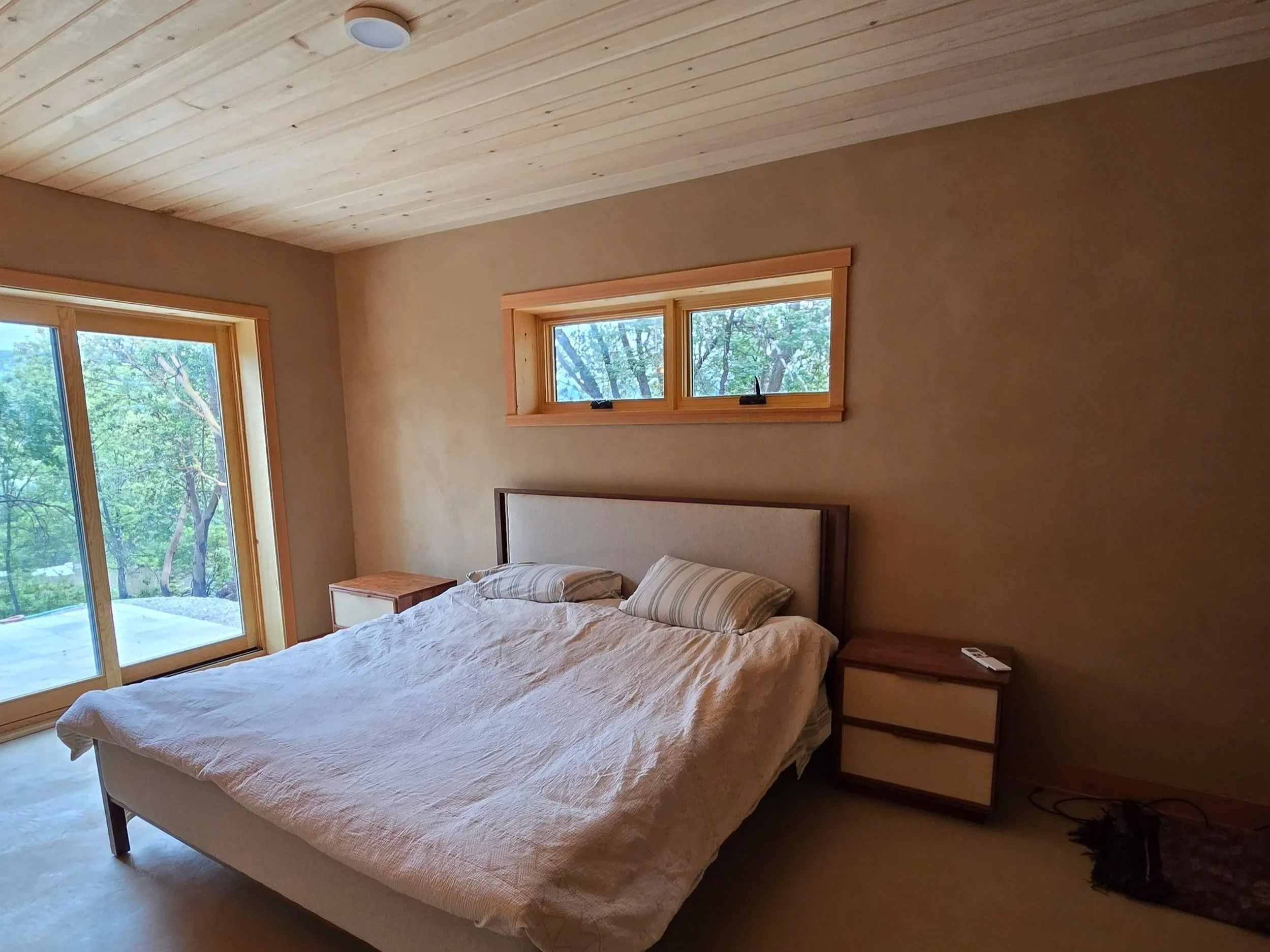
Natural clay plaster walls in a bedroom with a timber ceiling and garden-facing windows.
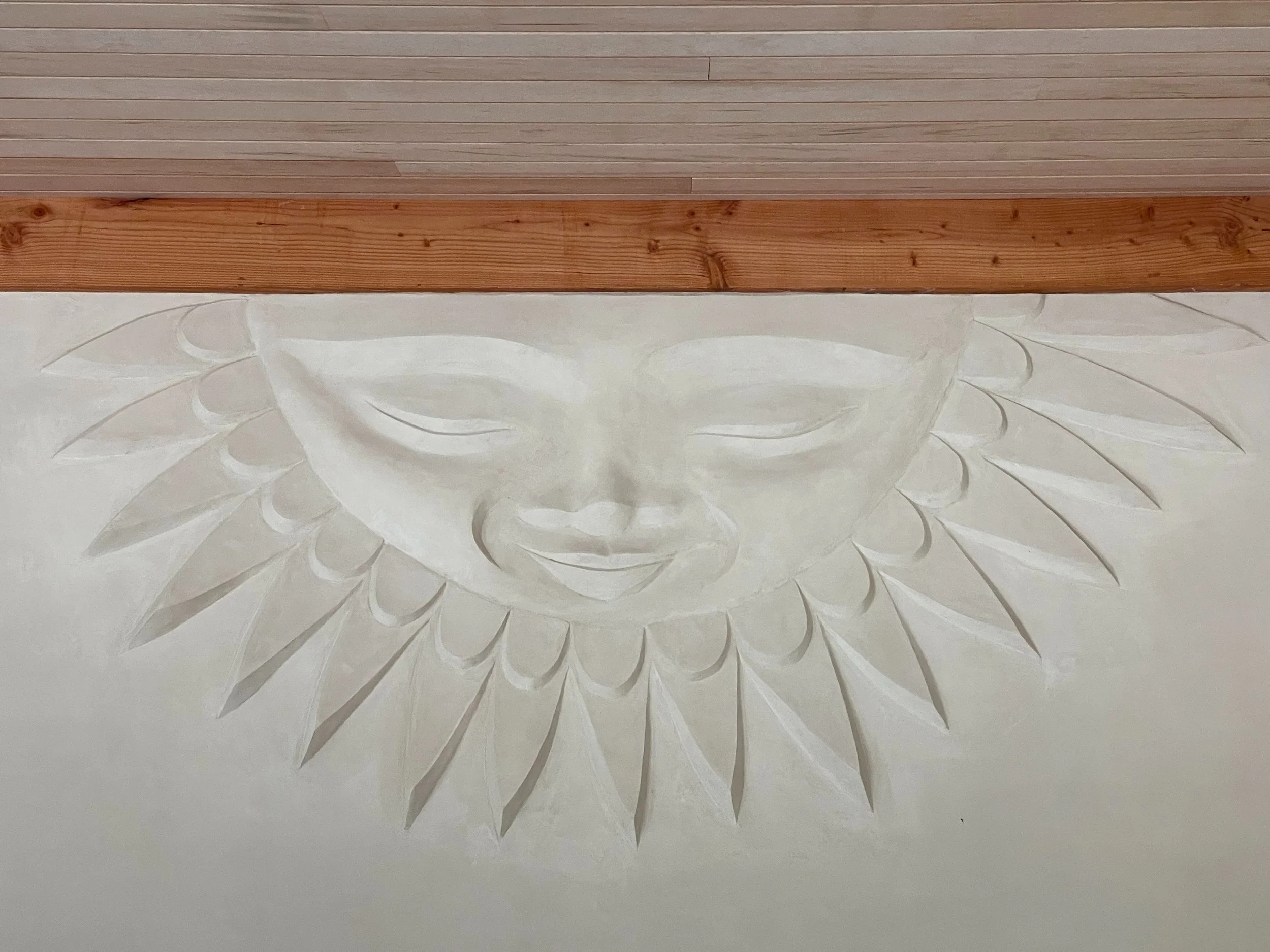
Hand-sculpted sun relief in pale clay plaster beneath a timber beam.
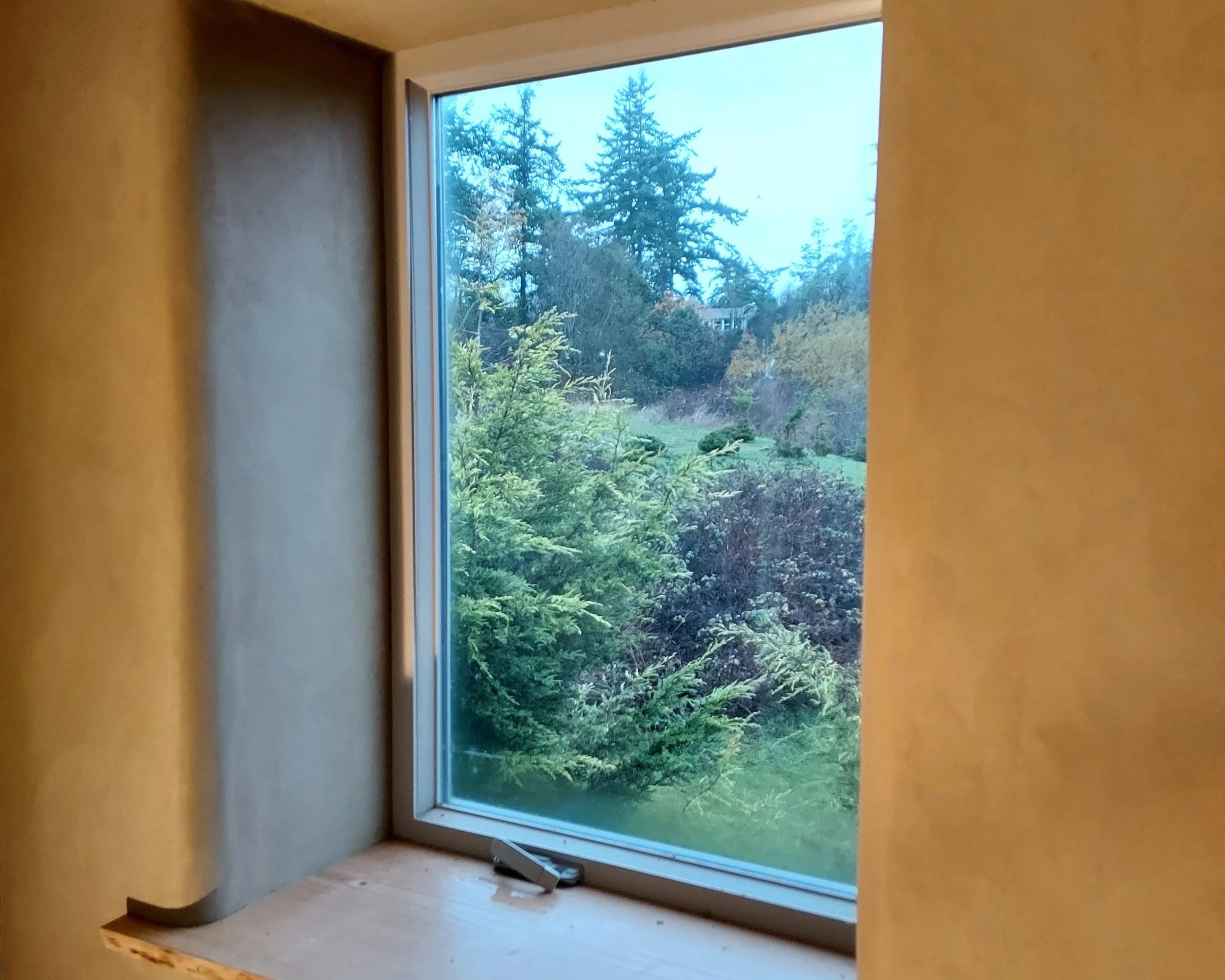
Earth-toned plaster framing a window overlooking woodland.
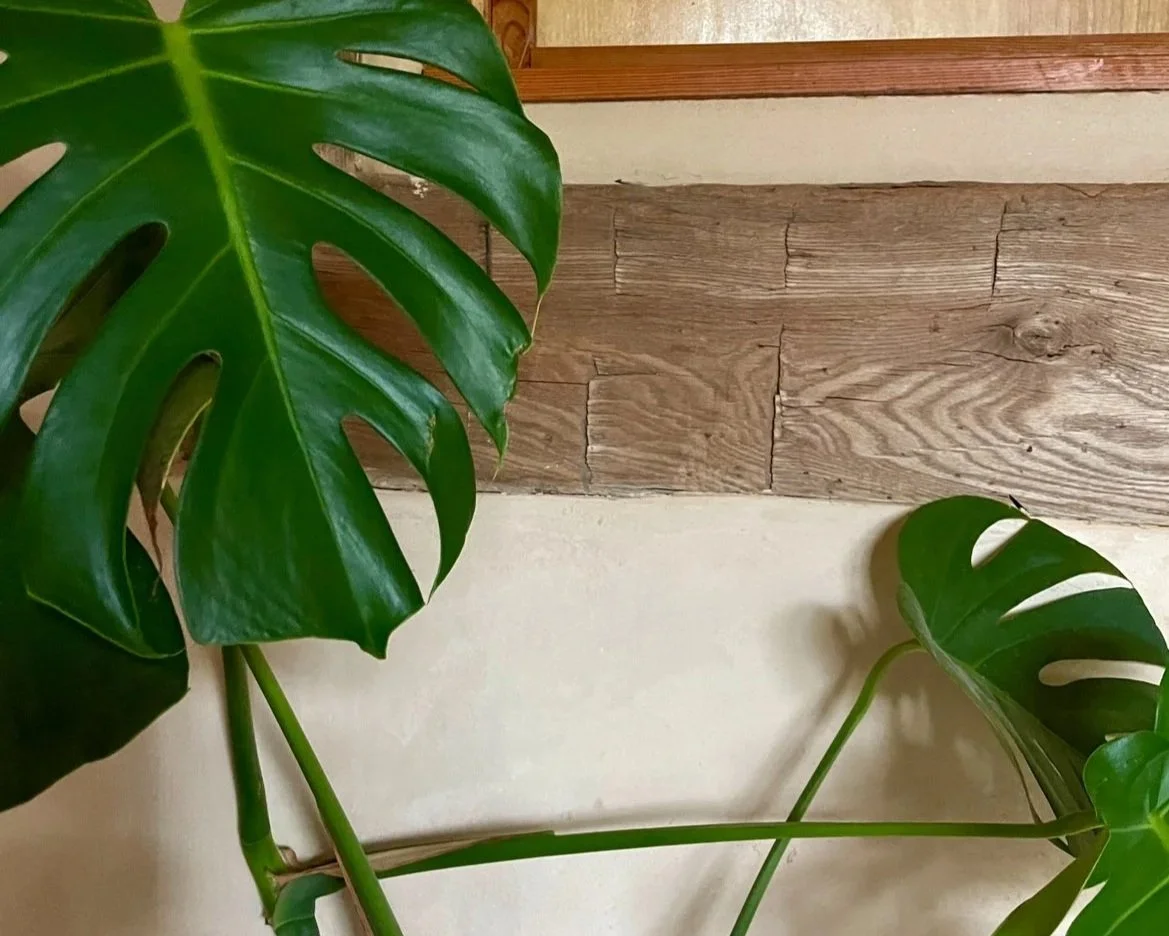
Natural wall texture and timber detailing behind green monstera leaves.
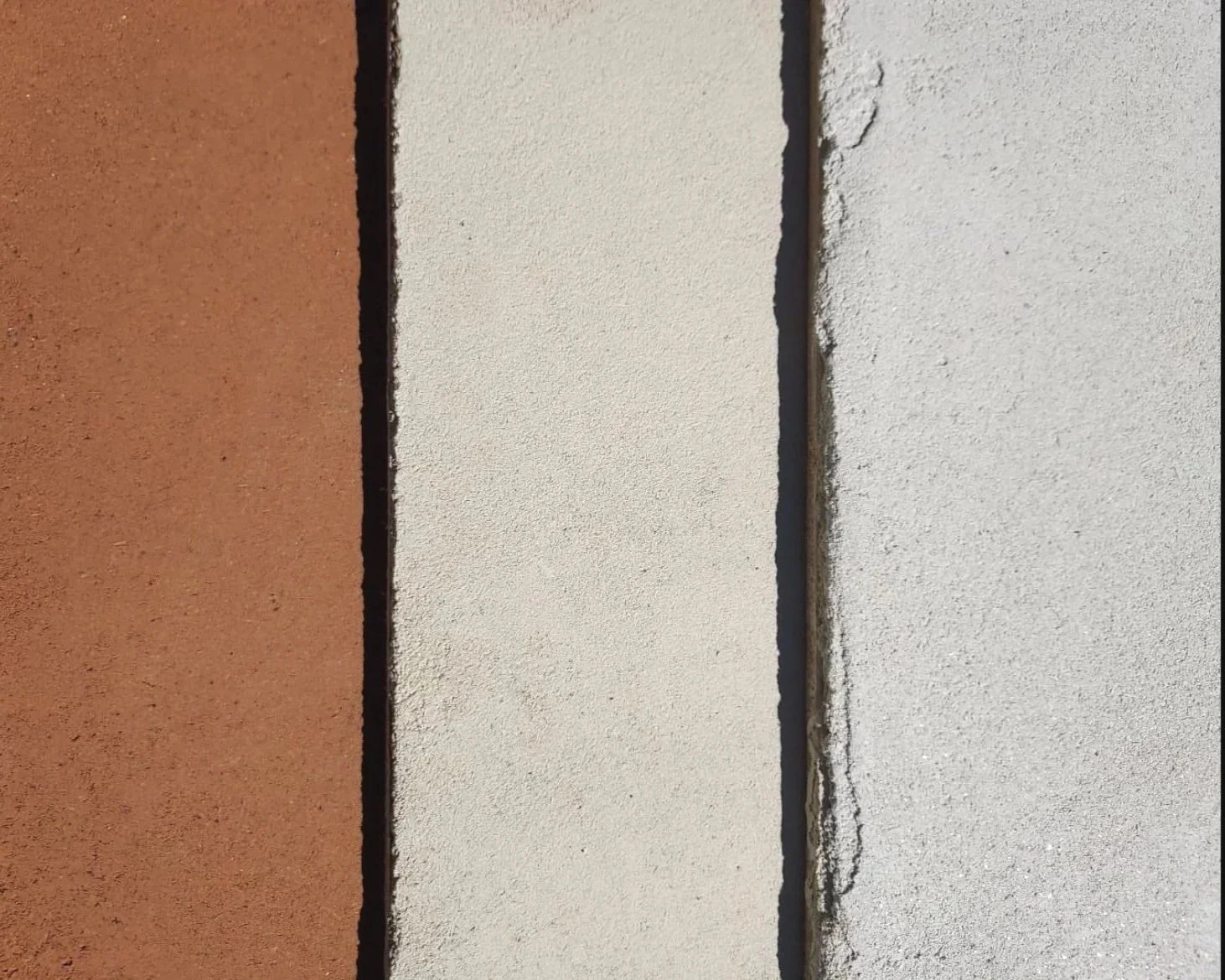
Three clay plaster samples showing contrasting earth tones and surface textures.
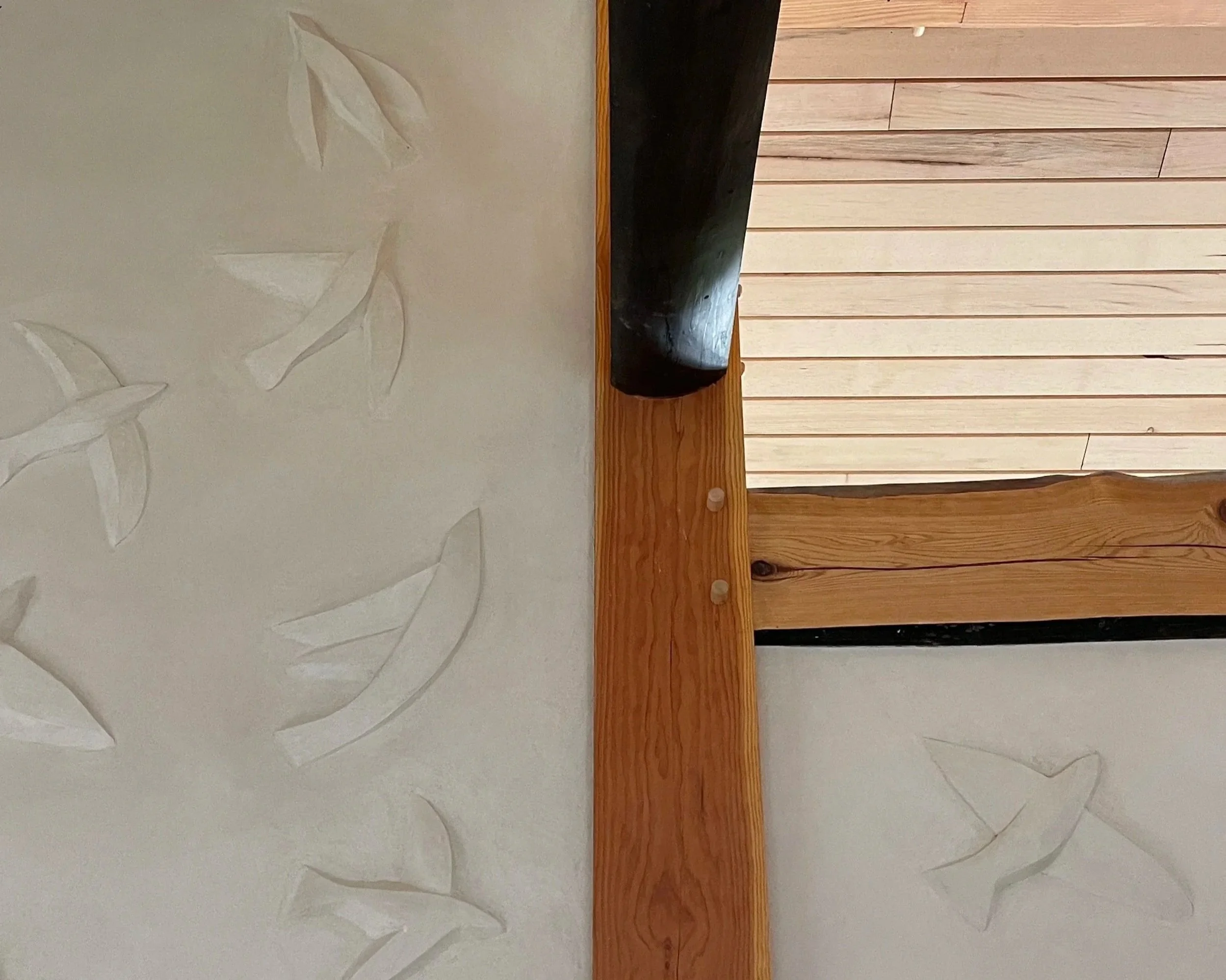
Sculpted botanical details in pale clay plaster beside timber wall panels.

Warm brown clay plaster walls in a bedroom lit by a large garden-facing window.

Close-up of a Mahogany clay plaster sample showing its warm brown color and texture.
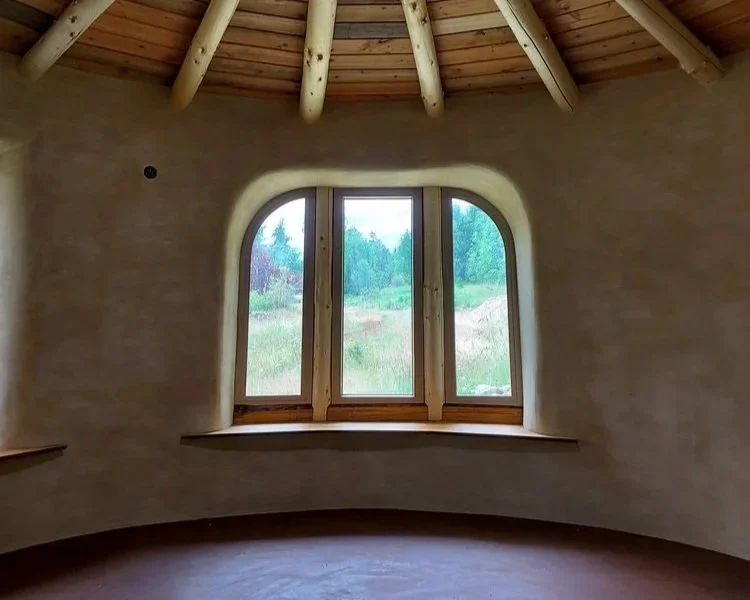
Latte-colored clay plaster walls around an arched window in a round timber-ceilinged room.

From our hill to your home.
Gold Hill Clay Plaster grew from the clay beneath Kyle Alexander’s straw-bale home in Gold Hill, Oregon. Kyle and James Henderson discovered the rich local subsoil and its potential for natural wall finishes.
James brings professional earth-building and plastering experience from the United States and Australia. Together, the team helps homeowners, designers, and plasterers choose materials for their walls—from surface preparation to the finished texture.
Clay plaster questions, answered.
-
Yes. Zenith is formulated for painted or primed drywall. Its application sheet calls for an adhesion coat that dries completely before the finish coats. Wall condition and preparation still matter; fine Zenith will not hide surface imperfections. For heavily textured painted walls, explore Fibra and review the complete coating system before starting.
-
A base coat builds the foundation of the plaster system. A top coat creates the final decorative surface. The right combination depends on the existing wall, the required build-up, and the finish you want.
-
Plan for careful preparation, mixing, and trowel practice. Read the guide for your chosen product and make a test area on the actual wall before committing to the full room. The Zenith and Euro sheets recommend a 3-foot by 3-foot sample area. Ask the Gold Hill team about application guidance and upcoming hands-on workshops.
-
Gold Hill’s plasters can be mixed with compatible natural pigments. Contact the team about custom blending and tinting possibilities. Confirm your finish in a sample area before committing to a full room.
-
Coverage depends on the product, thickness, wall condition, and number of coats. The published guides list approximately 180 sq ft per bag for Zenith at 1/16 inch, 60–70 sq ft per 50 lb bag for Euro at 1/4 inch, and 70 sq ft per 45 lb bag for Fibra, depending on the substrate. These figures describe different applications, not equal finished systems.
Allow for adhesion coats and preparation. Your budget also includes tools, labor, and shipping. Share your wall area and surface details with the team to confirm quantities and a project-specific estimate.
-
Shipping depends on order weight and destination. Orders under 300 lb use standard parcel carriers; orders over 300 lb require a custom shipping quote. Review the Shipping page for the current process and pickup options. Gold Hill also offers a free 15-minute consultation to help with product selection and order planning.
-
Room humidity and direct water exposure are different conditions. The Zenith and Euro product sheets state that these plasters are not for areas exposed to direct moisture, so do not specify them for shower interiors or directly wetted surfaces. Before choosing a finish for other bathroom walls, ask the team to confirm the product, wall preparation, and exposure conditions for your project.
-
Use the care method recommended for your chosen plaster and finish. Zenith is described as semi-wipeable, not a waterproof wall coating. Clay can be rehydrated for local repairs, but the technique and color match depend on the material and application. Ask the Gold Hill team for product-specific cleaning and repair guidance, and test any repair in a small area first.